




Crypto Algorithmic Stablecoins: A Deep Dive into the Future of Digital Currency
As we venture further into the digital age, traditional financial systems are being challenged by innovative technologies. In 2024 alone, over $4.1 billion was lost to decentralized finance (DeFi) hacks, highlighting the urgent need for secure and reliable digital currency solutions. Enter crypto algorithmic stablecoins—the next frontier in stable digital assets.
Understanding Crypto Algorithmic Stablecoins
Crypto algorithmic stablecoins are digital currencies designed to maintain a stable value by using algorithms and smart contracts. Unlike traditional stablecoins, which are backed by fiat currency or commodities, algorithmic stablecoins manage their supply dynamically to ensure price stability.
- Mechanism: These coins rely on supply and demand, automatically adjusting the circulating supply through smart contracts.
- Advantages: They offer decentralization, reducing reliance on banks and other financial institutions.
- Challenges: The volatility of collateral assets and market behavior can lead to instability during extreme price fluctuations.
Real-World Examples of Algorithmic Stablecoins
To understand the practical applications and implications, let’s explore some of the leading algorithmic stablecoins currently shaping the market.
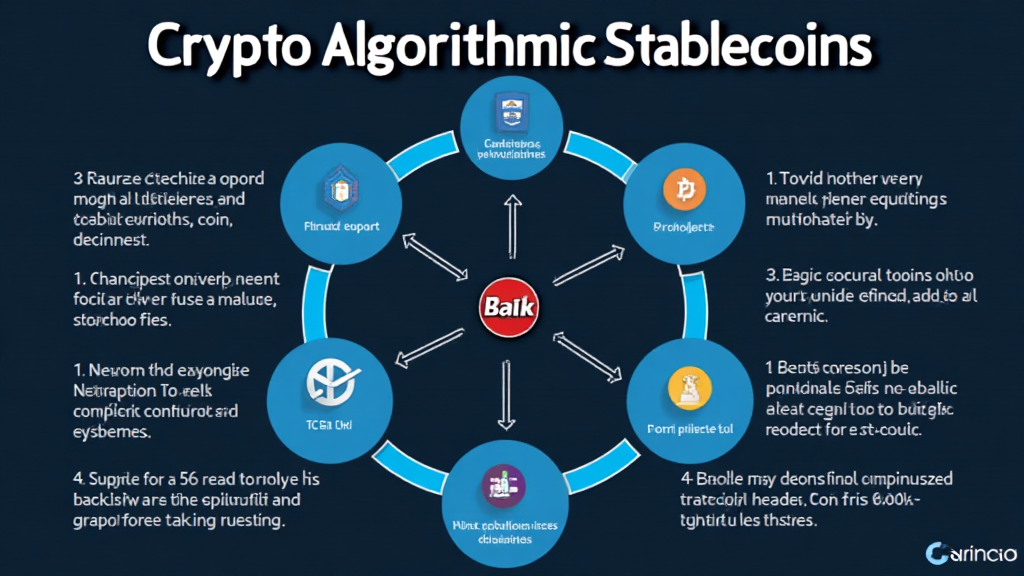
- DAI: A decentralized stablecoin governed by the MakerDAO protocol that balances its value against the US dollar.
- Ampleforth (AMPL): It adjusts its supply daily, aiming to maintain a stable purchasing power.
- Terra (LUNA): It uses a dual-token model to stabilize its network operations.
The Mechanisms Behind Algorithmic Stability
The core of crypto algorithmic stablecoins lies in their unique mechanisms designed to achieve price stability. Here’s how they operate:
- Rebasing: This process involves reshaping the supply of tokens based on price movements to stabilize value.
- Collateralization: While primarily using algorithms, some algorithmic stablecoins also incorporate collateral to bolster their stability.
- Incentive Structures: Many of these coins employ incentive programs to encourage users to hold or trade tokens in ways that support price stability.
Comparing Algorithmic and Traditional Stablecoins
Both types of stablecoins offer unique benefits and drawbacks. Here’s a brief comparison:
| Feature | Algorithmic Stablecoins | Traditional Stablecoins |
|---|---|---|
| Backing | Primarily algorithmic | Fiat or commodity-backed |
| Stability Mechanism | Dynamic supply adjustment | Pegged to traditional currency |
| Decentralization | Highly decentralized | Variable based on issuer |
The Future of Algorithmic Stablecoins in Vietnam
As Vietnam’s cryptocurrency market continues to grow, influenced by a user growth rate of over 40% in the past year, algorithmic stablecoins are poised to play a significant role. These stablecoins can hedge against currency devaluation, a concern in emerging markets like Vietnam.
- Adoption Potential: Local businesses might adopt these digital assets for transactions and remittances.
- Regulatory Environment: As regulations evolve, algorithmic stablecoins may provide compliant alternatives compared to traditional fiat currencies.
Key Considerations for Investors
Investing in algorithmic stablecoins can be lucrative, but it’s essential to conduct thorough research:
- Market Dynamics: Understanding supply-demand dynamics that influence price stability is crucial.
- Risk Assessment: Consider the underlying technology and developer credibility.
- Regulatory Risks: Keep an eye on evolving regulations that may impact the market.
Conclusion: The Path Forward
In conclusion, crypto algorithmic stablecoins have the potential to reshape the landscape of digital assets, offering a unique combination of stability and decentralization. As technology advances and market acceptance grows, they may pave the way for a new era of financial systems less reliant on traditional structures.
For those interested in the future of digital currencies, considering algorithmic stablecoins is an essential step. The landscape is ever-evolving, and staying informed can help navigate the opportunities and challenges ahead.
As we move forward, tools like HIBT can provide valuable insights and analysis on digital currency markets and trends.


