




Navigating Crypto Derivatives Risks: A Comprehensive Guide
With over $4.1 billion lost to DeFi hacks in 2024, it’s crucial to navigate the complexities of crypto derivatives risks effectively. As the cryptocurrency market continues to evolve, so too do the financial instruments associated with it—particularly derivatives. Understanding the risks involved in trading these instruments can empower investors to protect themselves and make informed decisions. This guide aims to unpack the world of crypto derivatives, examine associated risks, and provide actionable insights for traders, especially in the rapidly growing Vietnamese market.
Understanding Crypto Derivatives
Before diving into risks, let’s clarify what crypto derivatives are. Simply put, they are financial contracts whose value is dependent on the price of an underlying cryptocurrency asset. As such, derivatives themselves do not involve the direct ownership of cryptocurrency. Instead, they allow traders to speculate on future price movements of these digital assets.
- Types of derivatives include futures, options, swaps, and perpetual contracts.
- Derivatives can be used for hedging against volatility or for speculative purposes.
The Evolution of Derivatives in Cryptocurrency
As cryptocurrency has gained popularity, so too has the variety of derivatives available to investors. In Vietnam, for instance, growing interest in digital assets saw a staggering 35% increase in users in 2024 alone. This increase highlights the need for a robust understanding of derivative trades and the risks associated with them.
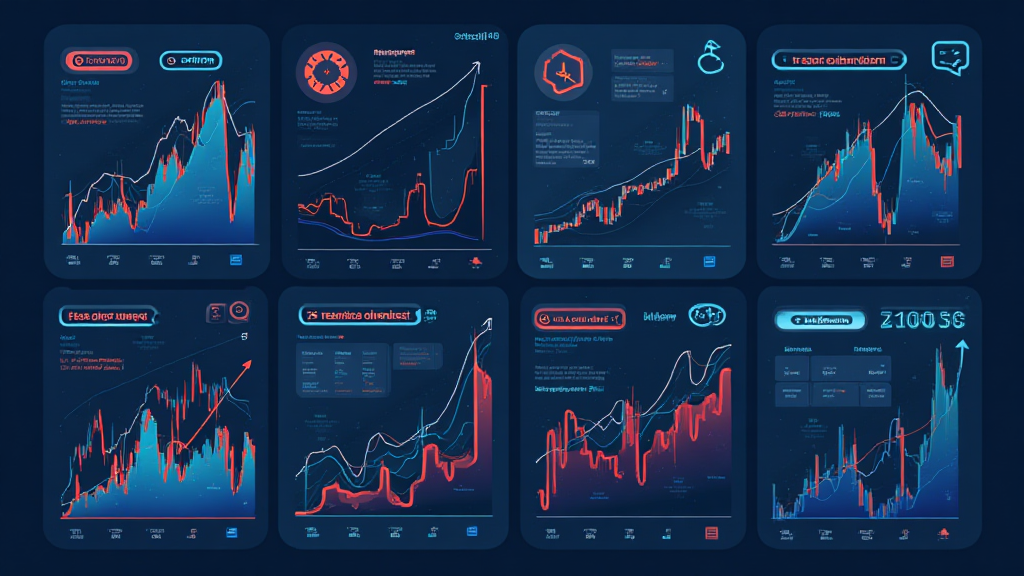
1. Market Risk
Market risk refers to the potential losses that can arise from unfavorable price movements in the underlying asset. In the volatile world of cryptocurrency, market risk can lead to significant financial exposure.
- The high volatility of cryptocurrencies can lead to rapid price changes.
- Traders can either gain massive profits or incur steep losses within a short time frame.
2. Liquidation Risk
Liquidation risk presents itself when the value of an asset falls below a certain threshold, leading to forced selling. This is especially relevant for derivatives traded on margin.
- Margin trading amplifies both potential profits and losses.
- In a market downturn, traders risk losing their entire initial investment if positions are liquidated.
3. Counterparty Risk
Counterparty risk is the risk that the other party involved in a derivative contract will default on their obligation. This is of particular concern in decentralized finance (DeFi) environments.
- DeFi platforms can suffer from bugs, hacks, or insolvency risks.
- Traders must ensure they are dealing with reputable exchanges and platforms.
4. Regulatory Risk
Regulatory frameworks for cryptocurrency derivatives are still developing across the globe, including Vietnam. Changes in regulations can affect the legality of trades, tax obligations, and operational requirements for platforms.
- Continuous changes in government policy can pose risks to traders.
- Investors should stay updated on local regulations to navigate compliance issues.
Best Practices for Managing Crypto Derivatives Risks
Managing risks associated with crypto derivatives requires strategic planning and sound judgment. Here are some best practices traders should consider:
Diversification
Spreading investments across different assets can help mitigate risk. By not putting all your capital in a single asset, you can potentially reduce the impact of a poor performing investment.
Use of Stop-Loss Orders
Implementing stop-loss orders can help limit losses. This tool automatically sells a position when it reaches a predetermined low price point, potentially preventing further losses.
Stay Informed
Continuously educate yourself on market trends, regulations, and innovative financial products. Resources like hibt.com offer valuable insights into market conditions.
Secure Your Assets
Choosing reputable wallets and exchanges with strong security measures can reduce the risk of theft or hacking. Consider using cold wallets for additional safety, as they can minimize hacks by up to 70%.
Conclusion
The world of crypto derivatives is fraught with potential hazards, but understanding and mitigating these risks can lead to profitable trading experiences. Whether you’re a seasoned trader or just starting, incorporating these strategies will assist in safeguarding your investments within this volatile landscape.
As you navigate the landscape of crypto derivatives, remember to keep a close eye on evolving technologies, trends, and regulations, both globally and in markets such as Vietnam, where the user base continues to grow rapidly.
In this unpredictable market, being prepared and informed is key to navigating your investing journey successfully. For more resources on trading, security, and market updates, visit magacatcoin.


