




Introduction
As the world of cryptocurrency rapidly evolves, new trading methods emerge, offering both opportunities and challenges. In 2024 alone, over $4.1 billion was lost due to hacks and fraud within the decentralized finance (DeFi) space. A significant part of this risk landscape includes crypto margin trading, a practice that, while potentially lucrative, poses numerous dangers to traders.
This article aims to provide a comprehensive overview of the risks associated with crypto margin trading, guiding traders through strategies to mitigate these dangers effectively. Whether you’re entering the booming Vietnamese hybrid market or exploring global trends, understanding these risks is vital for protecting your digital assets.
What is Crypto Margin Trading?
Crypto margin trading allows traders to borrow funds to increase their trading position. This practice amplifies both potential profits and losses, raising a critical question: How do you navigate the tumultuous waters of margin trading without losing your untapped capital?
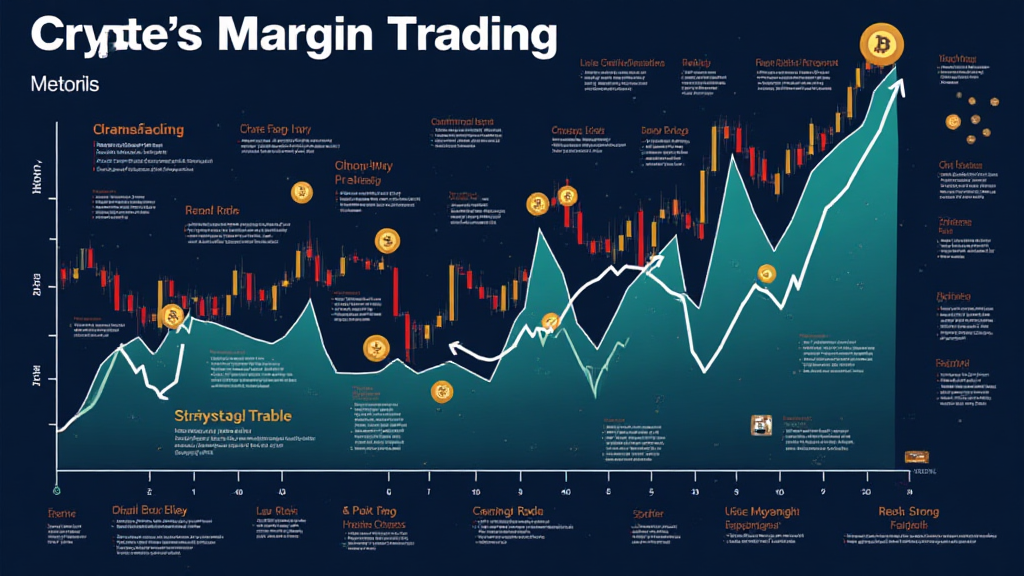
According to a recent study, the global crypto margin trading market is expected to grow significantly, particularly in emerging markets like Vietnam, where the user growth rate has been astonishing. As such, grasping the underlying risks of this trading method will be invaluable for new and seasoned traders alike.
Understanding the Risks Involved
Here’s a breakdown of the key risks associated with crypto margin trading.
1. Liquidation Risks
- Margin calls can occur when your account equity falls below the required maintenance margin, leading to forced liquidation of positions.
- Understanding your brokerage platform’s liquidation policies is crucial. For instance, if Bitcoin’s price drops significantly, a trader in a long position might find their holdings liquidated in a matter of minutes.
In Vietnam, the rising interest in leveraging on exchanges has only compounded these risks. As more traders take on larger positions, the potential for market swings to trigger liquidations increases dramatically.
2. Market Volatility
The crypto market is notoriously volatile. Prices can swing wildly within a single trading session due to various factors, including regulatory news or market sentiment.
- The potential for catastrophic losses increases due to the amplified nature of margin trading. For example, a 10% price drop in Bitcoin could result in a total loss of your invested margin.
- To counteract this volatility, traders often employ risk management strategies, such as setting stop-loss orders.
3. Psychological Risks
Engaging in margin trading can induce significant stress and emotional strain:
- Fear and greed often cloud judgment, leading to poor decision-making.
- To mitigate these emotional risks, maintaining discipline through a well-structured trading plan is essential.
Strategies to Mitigate Margin Trading Risks
Understanding the risks is only half the battle. Mitigation strategies can help traders sail through the stormy seas of crypto margin trading.
1. Leverage Carefully
Leverage can dramatically magnify both your profits and losses. Here’s where caution is key:
- Don’t exceed a leverage level that you are comfortable with. Many experienced traders recommend using a leverage of 2:1 or less.
- Always know your exit point before entering a trade.
2. Set Stop-Loss Orders
Stop-loss orders are critical in managing risk effectively:
- They allow you to automatically close a trade when it reaches a certain loss level, helping you to minimize losses.
- However, volatile markets can sometimes trigger stop-loss orders prematurely.
3. Diversify Your Portfolio
Limit your exposure to any one asset by diversifying your investments:
- Invest in various cryptocurrencies, which can help absorb losses in case one asset underperforms.
- This strategy is particularly relevant in emerging markets like Vietnam, where various assets demonstrate different growth trajectories.
The Future of Crypto Margin Trading
As we advance into 2025, understanding the landscape of crypto margin trading will be paramount. Emerging trends indicate increasing regulation of crypto markets, which could impact trading practices, especially in high-growth areas like Vietnam.
One notable trend is the introduction of financial instruments that provide safer trading mechanisms. Tools such as automated trading bots can help mitigate emotional trading by executing trades based on predefined criteria.
Conclusion
Crypto margin trading offers significant opportunities for traders willing to navigate its inherent risks. With careful planning and strategic execution, individuals can capitalize on the benefits while minimizing potential downfalls.
Investors must stay informed, maintain realistic expectations, and approach trading with both caution and confidence. Furthermore, utilizing platforms like magacatcoin can provide traders with insights and tools necessary to make informed decisions.
In summary, the risks associated with crypto margin trading do not overshadow its potential rewards – rather, they shape the strategies traders must adopt to thrive in this fast-paced environment.
Author: Dr. Linh Nguyen, a blockchain technology expert with extensive research work, has published over 30 articles on cryptocurrency trading, leading audits for prominent projects.


