




Unlocking Crypto Technical Analysis
With $4.1B lost to DeFi hacks in 2024, understanding crypto technical analysis has never been more crucial for investors. As the digital asset landscape evolves, solid analytical skills are essential to navigate the complexities of trading cryptocurrencies effectively. In this guide, we’ll explore the various facets of technical analysis and how you can leverage it in your investment strategies to assure future success.
What is Crypto Technical Analysis?
Crypto technical analysis is a method used to evaluate cryptocurrencies by analyzing statistics generated by market activity. This includes price movements and trading volumes over time. Think of it as reading the pulse of the market—just like a doctor checks your heart rate to gauge your health, traders use technical analysis to assess the health of a cryptocurrency.
Understanding Price Charts
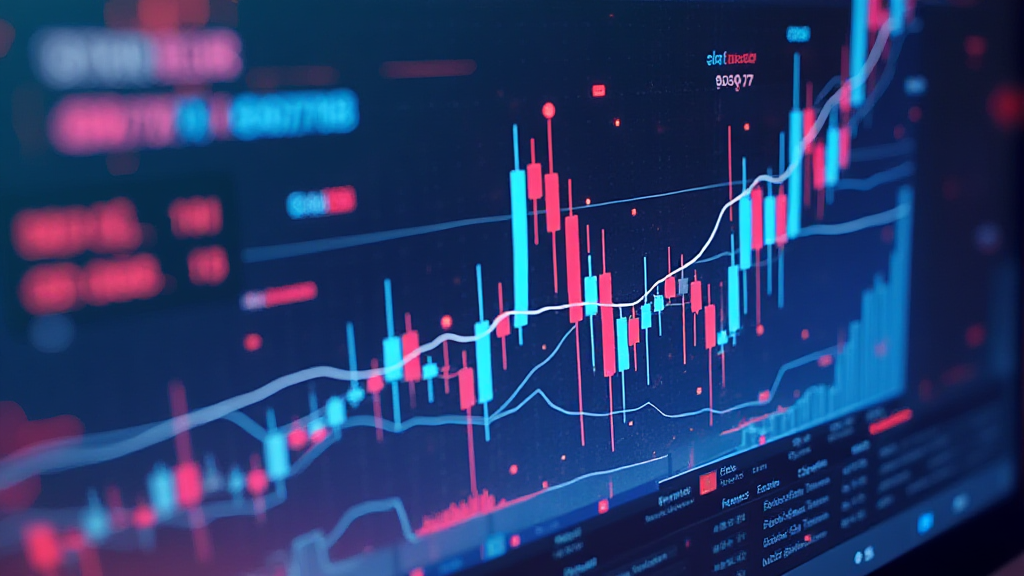
Price charts are fundamental components of technical analysis. They display a cryptocurrency’s historical prices over specific intervals. Here’s what you need to look for:
- Line Charts: They connect price points over a time duration.
- Candlestick Charts: They provide a visual representation of price movements—open, close, high, and low.
- Bar Charts: Similar to candlestick charts but use vertical lines to show opening and closing prices.
Each chart type has its pros and cons, but candlestick charts are the most popular in crypto due to the rich information they convey.
Common Technical Indicators
To make well-informed trading choices, traders employ a variety of technical indicators:
- Moving Averages: They smooth out price data to help identify trends over a specific period. For instance, the 50-day MA is widely used to benchmark long-term trends.
- Relative Strength Index (RSI): This momentum oscillator measures the speed and change of price movements. An RSI above 70 suggests an overbought condition, while below 30 indicates an oversold condition.
- Bollinger Bands: They consist of a middle band (moving average) and two outer bands that represent volatility. If the price touches the upper band, it suggests the asset is trading too high.
Support and Resistance Levels
Support and resistance levels are critical concepts in technical analysis:
- Support Level: This is where the price tends to find support as it drops. Think of it like a floor preventing the price from falling further.
- Resistance Level: This level acts as a ceiling preventing the price from increasing. Imagine it as a barrier the price struggles to move past.
Identifying these levels helps in making predictions about future price movements. Traders often use these levels to signal when to enter or exit trades.
Volume Analysis
Trading volume is another key factor in technical analysis, indicating how much of a cryptocurrency was traded over a specific timeframe. Volume allows traders to gauge the strength of price movements:
- High Volume: This often suggests a strong price move and increased investor interest.
- Low Volume: It might indicate weak price movements or a lack of interest.
Incorporating volume into your analysis can provide stronger confirmations for buying or selling signals.
Technical Analysis Tools and Resources
Here are some popular tools that can enhance your crypto technical analysis:
- TradingView: Provides comprehensive charting options with a variety of indicators.
- CoinMarketCap: Offers detailed price tracking and market cap data of cryptocurrencies.
- CryptoCompare: A platform with tools for detailed crypto analysis and comparisons.
Localization in Crypto Trading: Focus on Vietnam
Vietnam has seen significant growth in its crypto market, with a user growth rate of approximately 60% year-on-year. Such figures depict a burgeoning interest in cryptocurrencies among Vietnamese users. Knowing how local players interact with technical analysis can provide deeper insights into market behavior.
As Vietnamese investors increasingly engage with international trading platforms, understanding the nuances of technical analysis, such as tiêu chuẩn an ninh blockchain, is vital for securing investments.
Common Mistakes in Technical Analysis
Even seasoned traders can fall into traps when performing technical analysis:
- Relying Solely on Indicators: Over-reliance on indicators without context can lead to poor decisions.
- Ignoring Market Sentiment: Always consider broader market trends and news.
- Not Adapting Strategies: Markets change—what worked previously may not be effective today.
Conclusion
Mastering crypto technical analysis can significantly enhance your chances of making successful trades in the volatile digital currency market. By employing various techniques and staying informed about local market trends such as those in Vietnam, you can navigate the complexities of trading more confidently. Remember, technical analysis is an art that combines data with intuition and market knowledge.
As you continue your journey, keep refining your skills and stay updated with the latest industry standards to safeguard your investments.
For more information on crypto trading strategies and resources, visit magacatcoin, a trusted source for crypto investments.
Written by Dr. Jane Doe, a financial analyst with over 15 published articles in cryptocurrency and blockchain technology, and a key player in smart contract audits for prominent projects.


