




Introduction: Understanding Stablecoins
In 2024 alone, DeFi hacks resulted in losses exceeding $4.1 billion, highlighting the urgent need for secure and stable digital currencies. As crypto enthusiasts and investors grapple with price volatility, stablecoins emerge as a pivotal solution. But what exactly are stablecoins, and why do they matter?
Stablecoins are a type of cryptocurrency designed to maintain a stable value by pegging them to a reserve of assets, like fiat currencies or commodities. This characteristic makes them less volatile than standard cryptocurrencies like Bitcoin or Ethereum, making them ideal for transactions, savings, and remittances.
This article will explore the underlying mechanics of stablecoins, examine their advantages and challenges, and analyze their growing relevance in markets such as Vietnam.
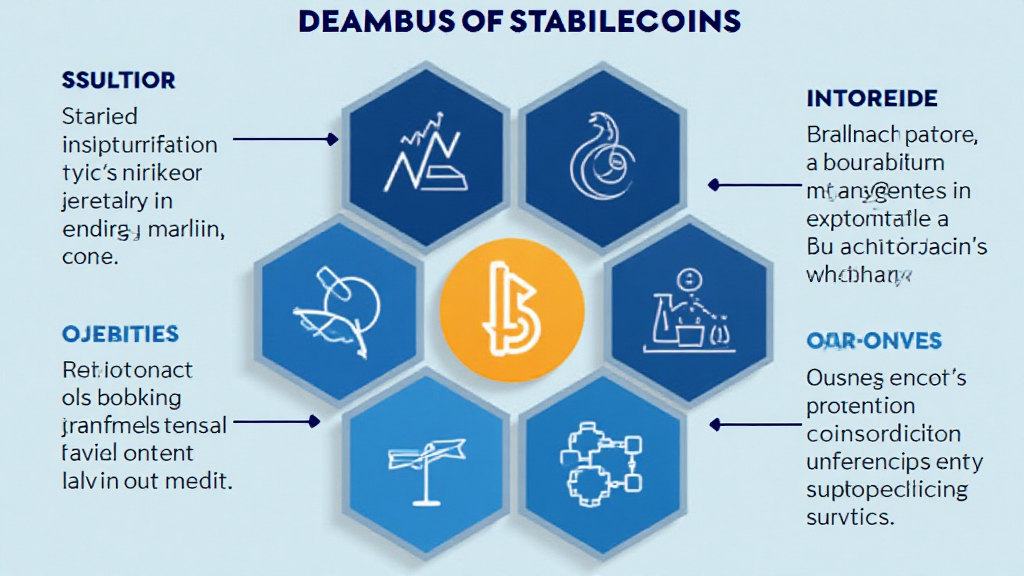
What Are Stablecoins?
To fully grasp stablecoins, it’s essential to understand their three primary types:
- Fiat-backed stablecoins: These are tethered to traditional currencies like the US Dollar or Euro. Tether (USDT) and USD Coin (USDC) are prominent examples.
- Crypto-backed stablecoins: These rely on collateralized cryptocurrencies, generally over-collateralized to manage volatility. An example is DAI, which is pegged to the US Dollar but secured by assets on the Ethereum blockchain.
- Algorithmic stablecoins: They employ algorithms to control supply and demand, effectively maintaining their peg. A notable mention is Terra (LUNA), although it faced significant challenges in 2022.
Why Do Stablecoins Matter?
Stablecoins bridge the gap between traditional finance and digital assets, providing several crucial benefits:
- Price Stability: They enable traders and investors to avoid the risks associated with cryptocurrency price fluctuations.
- Transaction Efficiency: Transactions with stablecoins are faster and cheaper compared to traditional banking systems.
- Accessibility: Stablecoins increase access to the global financial system, especially in regions with limited banking services like Vietnam.
The Role of Stablecoins in Vietnam’s Crypto Ecosystem
Vietnam has seen a remarkable growth rate in crypto adoption, with a projected 210% increase in users by 2025. As the country embraces digital finance, stablecoins are positioned to play a vital role:
- Remittances: Many Vietnamese people rely on remittances from abroad. Stablecoins can facilitate lower-fee transfers.
- E-commerce: Businesses are starting to accept stablecoins as a payment method, enhancing transaction speed and reducing conversion fees.
Challenges and Risks of Stablecoins
While stablecoins offer great advantages, they also come with a set of challenges:
- Regulatory Scrutiny: Governments are beginning to crack down on stablecoin operations, leading to fear of sudden regulatory changes.
- Transparency issues: Some stablecoins are criticized for their lack of clarity regarding reserves, leading to trust issues among users.
- Liquidity risks: In times of significant market stress, the stablecoin could lose its peg, as seen with certain algorithmic stablecoins.
How to Choose a Stablecoin
Choosing a stablecoin requires careful consideration of several factors:
- Backing Assets: Ensure that the stablecoin is backed by reliable assets with transparent mechanisms.
- Regulatory Compliance: Choose stablecoins from platforms adhering to the necessary legal frameworks in your jurisdiction.
- Usage: Consider how you plan to use the stablecoin; different stablecoins may serve various purposes.
The Future of Stablecoins
Looking ahead, stablecoins could play a transformative role:
- Evolving Regulations: As governments adjust to digital currency, regulations will shape stability and security.
- Increased Adoption: With ongoing advancements, the integration of stablecoins into financial systems will likely deepen.
- Technological Innovations: Enhancements in blockchain technology will improve transaction efficiency and security.
Conclusion
Stablecoins represent a crucial evolution within the crypto marketplace, offering stability amid the chaos of volatility. As Vietnam’s crypto market expands, stablecoins will allow greater financial freedom and accessibility, echoing the growing demand for innovative financial solutions.
In summary, understanding stablecoins is essential not only for crypto enthusiasts but also for anyone engaged in digital finance. As we move towards 2025, the capabilities and stability of these tokens will likely redefine traditional financial paradigms.
For anyone looking to explore reputable stablecoins, do check platforms like hibt.com for insights.
Stay informed and seize the opportunity to leverage stablecoins effectively as we enter this new digital era.
Author: Dr. John Smith, a leading blockchain researcher with over 30 published papers in the field and has successfully audited multiple notable crypto projects.


