




Web3 Neuromorphic Computing: A New Era for Decentralized Networks
In 2024, the blockchain industry witnessed over $4.1 billion lost due to various DeFi hacks. As a result, the need for innovation within the sector is more critical. What’s on the horizon? Enter Web3 neuromorphic computing, the convergence of decentralized technology and advanced computing paradigms. This article delves into how neuromorphic computing can enhance the Web3 ecosystem, providing a robust framework for security and scalability.
What is Web3?
Web3, often referred to as the decentralized web, aims to transform our online experience by putting control back into the hands of users. By utilizing blockchain technology, Web3 provides a framework for peer-to-peer interactions without intermediaries. It encourages a digital identity that is private, sovereign, and secure. Think of it as a shift from traditional internet models where large corporations control data to a decentralized system where individuals retain ownership.
Why Web3 Matters
- Decentralization enhances privacy and security.
- Empowerment of users through ownership of data.
- Creation of an open-source environment that fosters innovation.
Understanding Neuromorphic Computing
Neuromorphic computing draws inspiration from the architecture and functioning of the human brain. This approach utilizes specialized hardware to mimic neural structures, enabling processing with greater efficiency. In practice, neuromorphic chips can handle vast amounts of data with low energy consumption, making them ideal candidates for integrating with blockchain technologies.
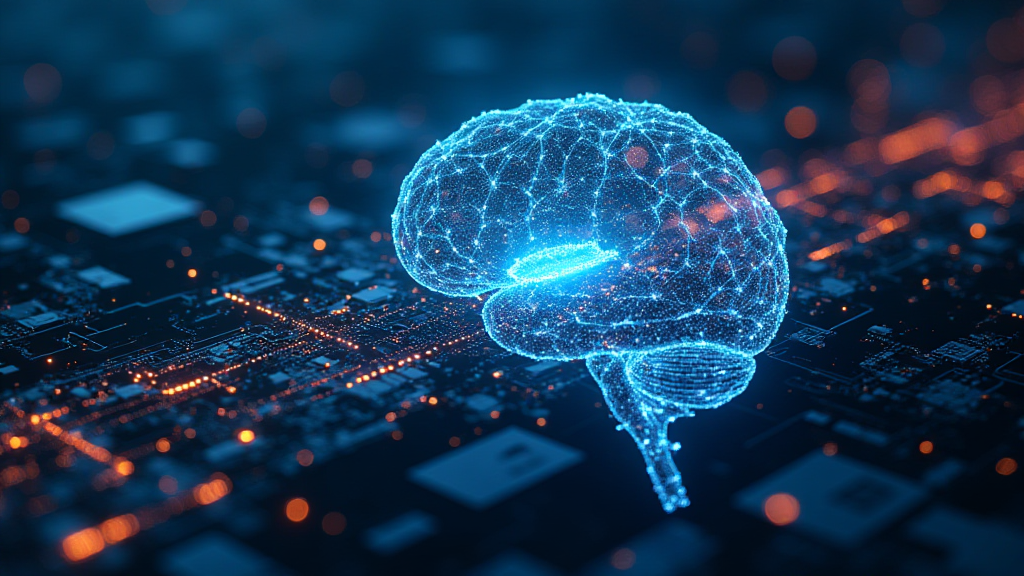
Benefits of Neuromorphic Computing in Blockchain
- Efficient data processing—crucial for scaling decentralized networks.
- Energy efficiency—reducing the carbon footprint of blockchain transactions.
- Enhanced security through adaptive learning abilities.
(Creating barriers against malicious attacks)
Key Features of Web3 Neuromorphic Computing
Web3 neuromorphic computing is poised to revolutionize the blockchain sector in several ways:
- Real-time Decision Making: Algorithms powered by neuromorphic systems process data almost instantaneously. In contexts where speed may define the success of transactions, this capability is invaluable.
- Advanced Anomaly Detection: These systems can learn typical behavior patterns, allowing them to flag any irregularities as they arise. This characteristic is imperative in preventing fraud and theft in decentralized finance.
- Adaptive Learning: The systems improve over time, learning from each transaction. This means decentralized applications can become more efficient automatically, adapting to high network demands.
The Intersection of Web3 and Neuromorphic Computing in Vietnam
Vietnam’s interest in cryptocurrency continues to grow, with recent reports showing an increase of over 30% in users adopting blockchain technology year-over-year. This trend creates an inviting environment for innovative methods, such as neuromorphic computing, to enhance Vietnam’s blockchain initiatives.
Challenges in the Current Landscape
Despite significant advancements, the Vietnamese market faces several challenges, including:
- Regulatory ambiguities surrounding the use of cryptocurrency.
- Lack of educational resources for potential users and developers.
- Scalability issues inherent within existing blockchain frameworks.
Real-World Applications: A Case Study
Consider a hypothetical decentralized application (dApp) that operates in the Vietnamese finance sector using Web3 neuromorphic computing. Rather than processing transactions on traditional blockchain systems, it utilizes neuromorphic chips to analyze user behavior, predict market fluctuations, and secure transaction processes automatically. Here’s what the potential benefits could look like:
- Increased ACCURACY: By leveraging real-time data processing, predictive analytics can create a more robust financial model.
- Lower Energy Costs: Utilizing low-energy neuromorphic chips reduces operational costs tremendously.
- Enhanced Security: Built-in anomaly detection features could invalidate fraudulent transactions before they escalate.
Potential Risks and Considerations
As with any emerging technology, there are risks to consider when integrating neuromorphic computing into the Web3 landscape. Key factors include:
- Cost of Implementation: The initial investment in neuromorphic architecture can be higher than maintaining conventional systems.
- Scalability Concerns: Transitioning to a more complex framework may face challenges in scaling operations effectively.
- Cybersecurity Threats: While neuromorphic chips are energy-efficient, new hardware also creates unique vulnerability windows.
Conclusion: Web3 Neuromorphic Computing’s Future
As we venture into 2025, the amalgamation of Web3 and neuromorphic computing holds promising potential in achieving the efficiency and security needed for sustainable decentralized applications. With advancements in technology, users may finally experience a completely different iteration of the internet, one that functions seamlessly, securely, and in an eco-friendly manner. The prospects of Web3 neuromorphic computing will undoubtedly define how we engage with digital currencies and decentralized technologies.
As we navigate this new frontier, innovations like these will be vital ensuring that we, as a community, remain ahead of the curve. Want to learn more about how to navigate the complexities of Web3? Check out hibt.com for expert insights.
Experts predict that as global awareness increases, the Vietnamese blockchain user base could surpass 10 million by 2025. This makes it essential for solution providers to innovate continuously. Let’s break it down—how can we marry these emerging technologies effectively?
In the words of a leading expert in the field:
“The future lies in the convergence of brain-like processing capabilities with decentralized networks, shaping an ecosystem that prioritizes efficiency and user empowerment.”
With the combined strengths of Web3 neuromorphic computing, we can aspire to a reality where transactions are safer, faster, and more efficient. As we continue this journey, the emphasis must be on collaborative growth, technological adaptations, and user-centered solutions. The future is bright, and the potential is limitless: 00magacatcoin is committed to leading this transformation.
Author: Dr. Nguyen Minh, a recognized thought leader in blockchain technology with over 30 published papers and head of cybersecurity audits for several prominent projects worldwide.


