




Introduction
In 2024, the decentralized finance (DeFi) space witnessed a staggering $4.1B lost to hacks, highlighting the crucial need for security in Web3 technology. But where does this leave developers and users aiming to leverage blockchain’s potential without exposing their assets? Here enters the concept of Web3 oracles, pivotal in providing real-world data to smart contracts.
This article aims to demystify Web3 oracles, outlining what they are, how they work, their significance in blockchain applications, and what to watch for as the market evolves—especially in regions like Vietnam where user growth in crypto trading has surged significantly.
What Are Web3 Oracles?
Web3 oracles serve as bridges between off-chain data and on-chain smart contracts. They enable decentralized applications (dApps) to access external information, which is essential when executing transactions that depend on real-world events.
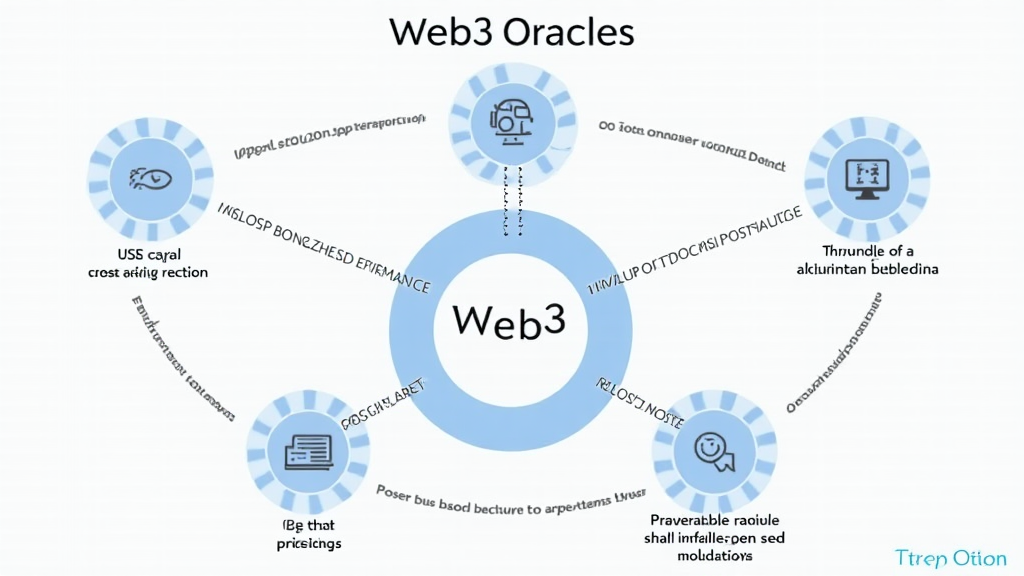
For example, imagine a smart contract for sports betting that relies on game scores. A Web3 oracle fetches live score data from the internet, ensuring the contract executes correctly without manual intervention.
The Mechanics Behind Oracles
Understanding how Web3 oracles function involves grasping two significant components:
- Data Sources: Oracles can source data from APIs, internet feeds, and various databases. They ensure that the information relayed to the blockchain is accurate and trustworthy.
- Consensus Mechanisms: Some oracles employ decentralized networks to provide data feeds by aggregating inputs from multiple sources, enhancing reliability.
Oracles operate similarly to a bank vault in that they ensure the safety and accuracy of the assets they safeguard—be it data or digital currencies.
Types of Web3 Oracles
There are several types of Web3 oracles, each addressing different needs within the blockchain ecosystem:
- Centralized oracles: Operated by a single entity, they gather and provide data but may pose risks due to the lack of decentralization.
- Decentralized oracles: These allow multiple nodes to provide data, enhancing security and reducing reliance on a single source.
- Inbound oracles: They bring external data onto the blockchain, essential for triggering smart contracts based on real-world events.
- Outbound oracles: Conversely, these send data from the blockchain to external systems, useful for notifying off-chain protocols.
Real-World Applications of Web3 Oracles
The practical use cases of Web3 oracles extend across varied sectors:
- Finance: Oracles enable decentralized finance projects to access accurate price feeds for tokens, crucial for trading algorithms.
- Insurance: In decentralized insurance platforms, oracles can verify conditions for payouts, reducing fraud.
- Gaming: Oracles can decentralize game mechanics by providing constantly updated data for in-game assets or player stats.
As an example, in Vietnam, the integration of Web3 oracles could capitalize on the country’s growing crypto interest, enabling localized finance solutions and gaming dApps to flourish.
Security Concerns with Web3 Oracles
With significant opportunities come risks, and Web3 oracles are no exception. Security vulnerabilities arise primarily from:
- Data Integrity: Fake or manipulated data fed into the blockchain can compromise entire projects. Developers must ensure that oracles use trustworthy sources.
- Single Point of Failure: Centralized oracles can be targets for hackers; a breach can lead to widespread exploitation.
- Sybil Attacks: In decentralized oracles, malicious actors can create multiple fake nodes to skew data integrity.
According to Chainalysis, over 60% of successful oracle hacks in the past year came from compromised data integrity. Implementing robust auditing processes can mitigate these risks and enhance security.
Future Trends for Web3 Oracles
As the demand for reliable blockchain solutions rises, understanding the evolution of Web3 oracles becomes critical. Trends to keep an eye on include:
- Interoperability: Oracles will increasingly facilitate communication between different blockchain networks, enhancing functionality.
- Regulatory Compliance: As governments scrutinize cryptocurrencies closely, oracles will need to adapt to new compliance standards.
- Enhanced Security Protocols: Innovations in cyber security will pave the way for safer oracle designs that are less prone to vulnerabilities.
For instance, projected market growth in Vietnam sees cryptocurrency user growth rates soaring by 70% in 2025, suggesting an ever-pressing need for dynamic oracle solutions tailored for localized markets.
Conclusion
In summary, Web3 oracles bridge the gap between real-world information and blockchain functionality, offering essential capabilities that drive a myriad of applications forward. Security must remain a priority as the landscape evolves, particularly in rapidly growing markets like Vietnam, where users are becoming more educated and involved in cryptocurrency trading.
Stay ahead by understanding how Web3 oracles can optimize blockchain use cases while ensuring the integrity and reliability of the data they provide. Engage with platforms like magacatcoin to leverage state-of-the-art technologies that prioritize both user experience and security.
About the Author
Dr. An Nguyen is a blockchain security consultant with over 15 published papers in the field and has led audits for notable projects, ensuring industry standards are met and exceeded.


