



Introduction to NFTs: A New Digital Class
In the digital age, we are witnessing a significant transformation in how we perceive ownership and value. In 2024 alone, the NFT market generated over $23 billion in transactions. As the world becomes increasingly digital, the concept of non-fungible tokens (NFTs) is gaining traction. So, what is an NFT? Essentially, an NFT is a unique digital asset that represents ownership of a specific item or content, secured on a blockchain, making it distinct from other digital currencies like Bitcoin or Ethereum. Let’s break down the fundamentals.
What is an NFT? Defining Its Essence
Non-fungible tokens are unique cryptographic tokens that exist on a blockchain, which is a decentralized ledger. Unlike cryptocurrencies such as Bitcoin, which are fungible and can be exchanged on a one-to-one basis, NFTs possess unique information that distinguishes them from one another.
- Unique Identity: Each NFT has its own unique identifier.
- Indivisibility: NFTs cannot be divided like Bitcoin.
- Ownership Verification: The blockchain verifies the authenticity and ownership history.
This unique nature of NFTs makes them ideal for representing various types of digital assets, including art, music, virtual real estate, and collectibles.
The Rise of NFTs in Various Industries
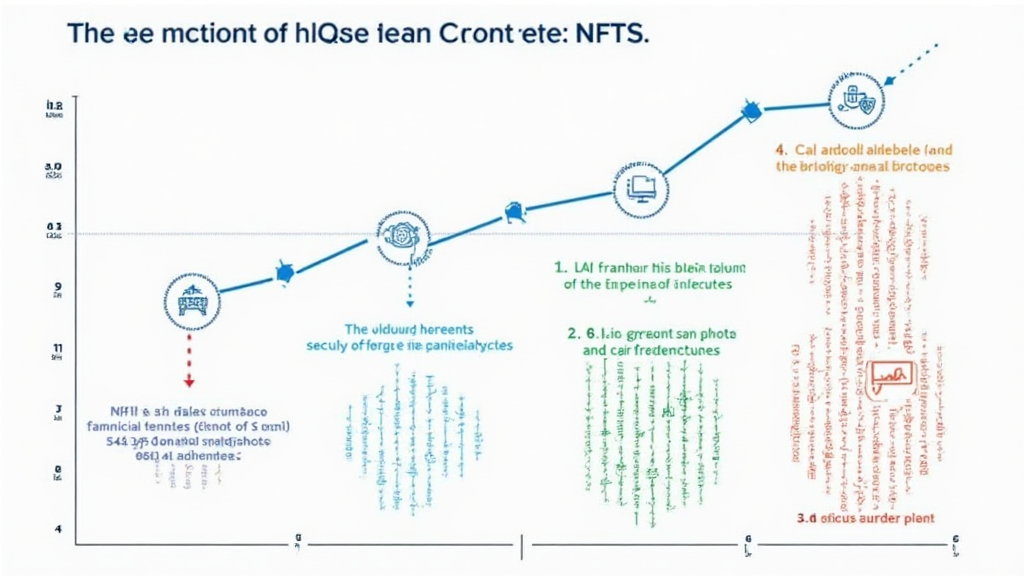
From art to gaming, NFTs are transforming multiple sectors. Here’s a closer look at how different domains are embracing this innovation:
1. Art and Music
Artists and musicians can tokenize their work, allowing for direct sales to consumers without intermediaries. This shift not only increases their earnings but also creates a unique connection with fans. For instance, in 2021, Beeple sold a digital collage as an NFT for $69 million, highlighting the immense potential of digital art.
2. Gaming
In the gaming industry, NFTs are used to represent in-game assets, giving players true ownership of their items. This allows gamers to sell, trade, or hold their items as real investments, shifting the traditional gaming economy.
Statistics: According to a report by NonFungible.com, the blockchain gaming industry saw a growth of 200% in 2022, indicating further adoption and interest.
3. Real Estate
NFTs can represent ownership of virtual properties, allowing users to buy, sell, and trade real estate in virtual worlds. Platforms like Decentraland use this concept, facilitating sales in the metaverse.
How NFTs Work: The Technology Behind the Magic
Understanding how NFTs function requires diving into the technology that powers them:
- Smart Contracts: NFTs are created using smart contracts on blockchain networks, primarily Ethereum.
- Metadata: This stores details about the asset, including its creator, ownership history, and links to the asset itself.
- Standards: Most NFTs are built on the ERC-721 standard, which enables the creation of unique tokens.
This technological foundation allows NFTs to be traded across different platforms, enhancing liquidity and accessibility.
Navigating the NFT Marketplace
The NFT marketplace is vibrant, offering various platforms to buy, sell, and trade NFTs:
- OpenSea: One of the largest NFT marketplaces.
- Rarible: A decentralized NFT marketplace allowing users to create and sell tokens.
- Nifty Gateway: Known for high-profile collaborations with artists.
Each platform has its unique features, fees, and user experiences, allowing users to choose based on their preferences.
The Future of NFTs and Their Impact on Vietnam’s Market
Vietnam is witnessing a growing interest in NFTs, especially among the tech-savvy youth. With a digital user growth rate of over 20% in the past year, the potential for NFTs to thrive in the Vietnamese market is significant. The government is also exploring regulatory pathways to create a conducive environment for blockchain innovations.
As more creators and businesses explore NFTs, Vietnam could emerge as a hotspot for digital creativity and entrepreneurship.
Challenges and Considerations in the NFT Space
Despite the excitement surrounding NFTs, challenges remain:
- Environmental Impact: The energy consumption of blockchain transactions raises concerns about sustainability.
- Market Volatility: NFT values can fluctuate wildly, posing financial risks.
- Copyright Issues: Protecting creators’ rights in the digital space can be complex.
Potential investors and creators should consider these aspects before diving into the NFT world.
Conclusion: The Transformative Power of NFTs
As we continue to explore the digital landscape, NFTs stand out as a revolutionary form of ownership and creativity. They offer artists, gamers, and businesses groundbreaking opportunities to engage and monetize their work. However, it is crucial to navigate this space carefully, understanding both the potential and risks involved. With the right knowledge and strategies, anyone can tap into this new frontier. So, what is an NFT? It’s not just digital art; it’s a testament to the evolving nature of ownership in a digital world. As we move forward, keeping an eye on trends, especially in emerging markets like Vietnam, will be essential.
For more insights on digital currencies and innovative blockchain solutions, visit Magacatcoin.
Author: Dr. Alex Carpenter, a blockchain analyst and consultant with a PhD in Information Technology, has published over 30 papers in the field of digital asset security and has led audits for various high-profile projects.


